
Honey isn't just something sweet you drizzle on toast...
Honey is a natural sweet substance made by honey bees from the nectar of flowers. They collect nectar, transform it with enzymes, reduce its moisture, and store it in wax cells to ripen.
Genuine honey reflects the floral landscape from which it originates, with variations in colour, aroma, and flavour determined by the plants visited by the bees and the season in which the honey is produced. A jar from spring blossom will taste and look different from one made from summer wildflowers or heather. Colour can range from almost clear to deep amber, flavours from delicate and floral to bold and malty.
How Honey is Made
- Foraging: Bees visit flowers to collect nectar and pollen.
- Nectar to honey: Back in the hive, they pass nectar from bee to bee, adding enzymes that begin to break down complex sugars.
- Ripening: The bees fan their wings to evaporate water from the nectar until it thickens into honey.
- Sealing: Once it’s ready, they cap the cells with wax to store it for later.
Beekeepers carefully harvest surplus honey, leaving enough for the bees, then extract, filter, and jar it with minimal interference.
Types of honey
Honey differs widely depending on floral source, geography, and handling. Types include:
- Blossom honey: A mix of nectars from many flowers. Flavour is usually well‑balanced and versatile.
- Monofloral honey: Made mainly from one plant (e.g. lavender, heather, acacia). These honeys have distinctive flavours and colours.
- Manuka honey: A premium honey from New Zealand, prized for its unique antibacterial properties and health benefits, largely due to its Methylglyoxal (MGO) content.
- Honeydew Honey: Unlike nectar honeys, honeydew honeys are produced when bees collect the sugary excretions (honeydew) of sap-sucking insects on trees such as fir, pine, oak and beech.
- Set (crystallised) honey: Naturally forms fine crystals and becomes firm and spreadable. This is a natural process, not a sign of it ‘going off’ or of poor quality.
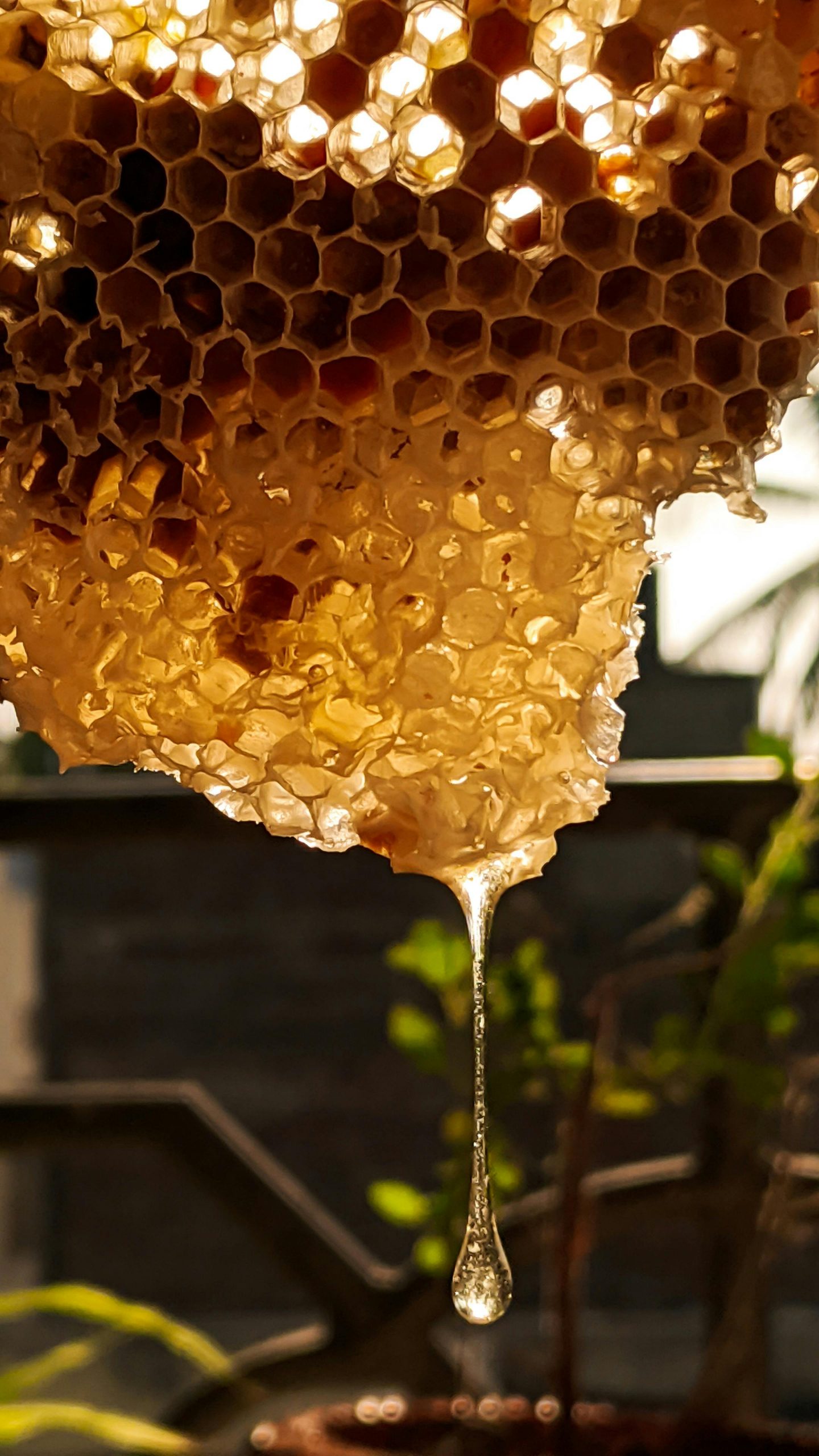
- Comb honey: Honey that’s harvested directly from the hive in its natural state, still contained within the beeswax honeycomb.
Properties and Benefits of Honey
Honey is a natural blend of sugars, enzymes, acids, minerals, and antioxidants. These vary depending on floral source, season, and handling.
- Natural energy source, its mix of glucose and fructose provides quick, easily absorbed carbohydrates.
- Antioxidants, many honeys contain polyphenols, which help protect cells from oxidative stress.
- Trace nutrients, small amounts of minerals such as potassium, zinc, and iron contribute to its nutritional profile.
- Natural enzymes, added by bees during nectar processing, these contribute to honey’s flavour and complexity.
- Preservative qualities, its low water content and acidity inhibit microbial growth.
Honey offers a wide range of benefits that span nutrition, culinary versatility and wellbeing. And while honey is not a medicine, it has long been used in traditional remedies.
Honey offers a wide range of benefits that span nutrition, culinary versatility and wellbeing. And while honey is not a medicine, it has long been used in traditional remedies.
- Soothing for the throat - Warm honey in drinks is a common comfort for throat irritation.
- Cough relief - Some studies suggest honey may help reduce coughing in children (over one year old).
- Wound care history - Historically used for dressing wounds due to its low moisture content and natural acidity.
- Skincare ingredient — Often used in moisturisers and masks for its humectant properties.
Honey should never be given to infants under one year old.
Storing honey
Properly stored, honey can last for years. In fact, archaeologists have found sealed pots of honey in ancient Egyptian tombs that were still perfectly edible after 3,000 years.
- Keep it cool and dry - Room temperature, not in the fridge. Keep away from direct sunlight.
- Lid on - Close the jar tightly to keep out moisture and strong odours.
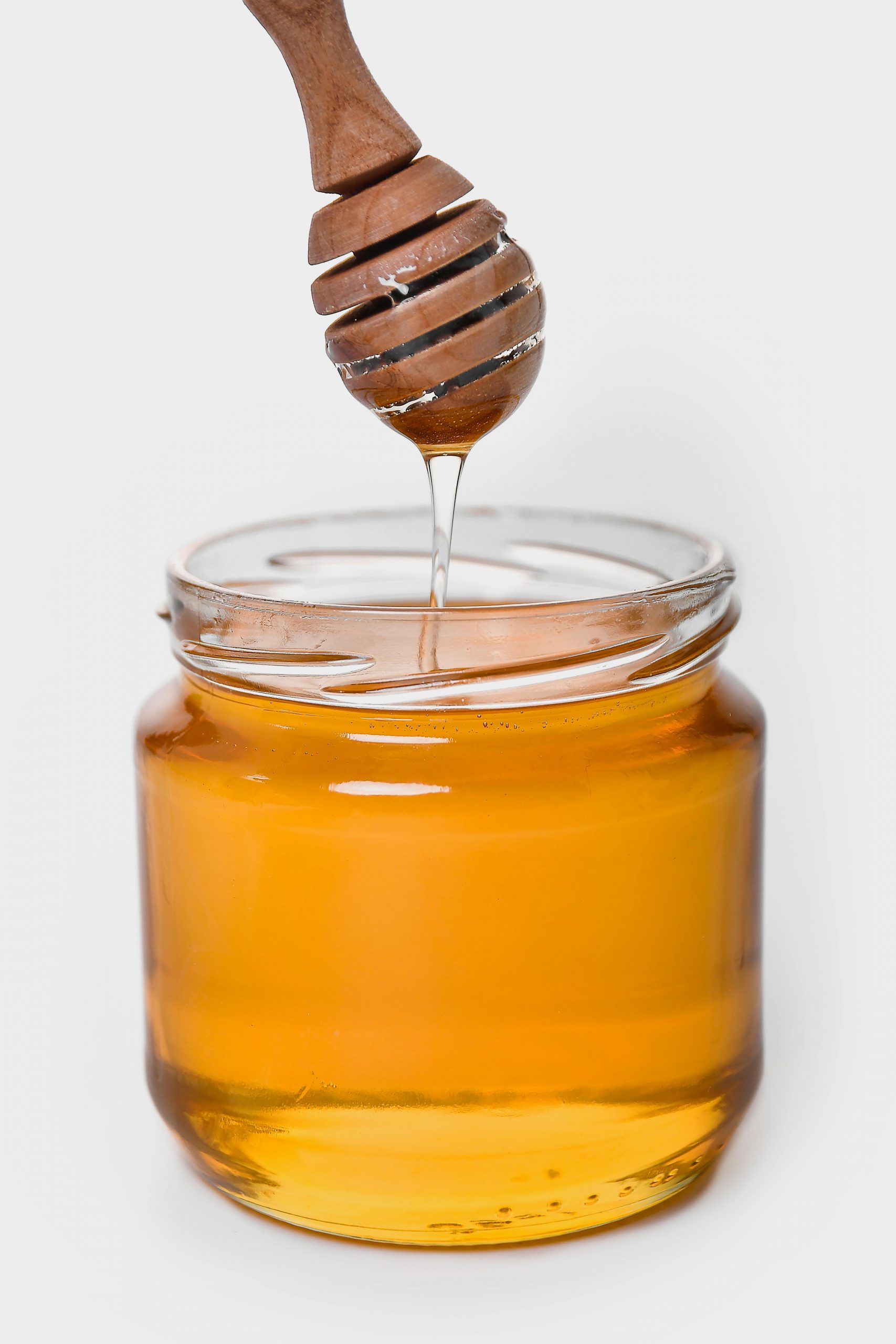
- Use a clean, dry, and traditionally wooden, spoon.
- Crystallisation is natural. If your honey sets, you can gently warm the jar in a bowl of warm water to return it to a runnier state.
The Issue of Adulterated Honey
Adulterated honey is honey that has been diluted or altered most often with cheap sugar syrups such as rice, beet or corn syrup. Sometimes the adulteration is indirect, where bees are over‑fed sugar so the “honey” they store is essentially processed syrup rather than nectar.
Adulterated honey is a significant issue in the UK and the problem is widespread. A European Commission investigation found almost 50% of 320 samples across 18 countries were adulterated. All 10 UK samples tested were flagged as suspicious. These practices undermine consumer confidence, disadvantage honest producers and obscure the true value of authentic honey.
Choose local, authentic honey
By choosing honey from reputable local beekeepers and suppliers, you help ensure quality, traceability, and ethical production. Local honey reflects the surrounding environment, supports pollinator-friendly practices, and contributes to the sustainability of beekeeping communities.
Honey produced by the association’s bees is sold only from the Twickenham apiary during our Open Day and Honey Show day. TTVBKA honey cannot be bought from retail outlets. The proceeds are used to help maintain the health and wellbeing of bees. There is a great demand for the association’s honey so arriving early at each of these days is recommended if you want to buy a jar or two.